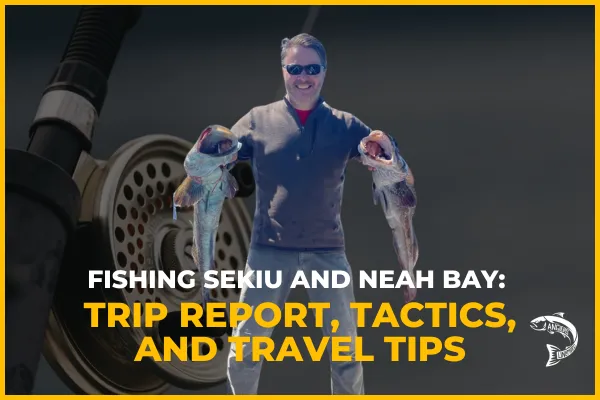
How to Plan a Fishing Trip to Sekiu and Neah Bay
How to Plan a Fishing Trip to Sekiu and Neah Bay
Listen to the full podcast episode: On Spotify | On Apple Podcasts
Welcome to Anglers Unlimited! We're Jamie and Scott Propst, your guides to catching more fish and having more fun right here in Washington State. Whether you're new to fishing or looking to level up your skills, we've got tips, trip reports, and real-world advice to help you feel more confident on the water.
Today, we're diving into a full recap of Scott's recent trip to Sekiu and Neah Bay in April, covering everything from lodging and weather to fishing tactics and boat logistics. Whether you're dreaming about your first trip or just want to tighten up your planning process, this guide is for you.
Why Fish Sekiu and Neah Bay?
Sekiu and Neah Bay are true destination fisheries. Depending on the time of year, you can target salmon, halibut, lingcod, and black bass — sometimes all on the same trip! Plus, the surrounding area is stunning, offering hiking, surfing, and incredible wildlife sightings. It's one destination in Washington that really has the "wild" feel.
Lodging: Your Options (From Wall Tents to Airbnbs)
When planning a trip, first figure out where you'll stay. Options include:
RV camping near Sekiu (Learn more about Sekiu RV camping options here)
Rooms at local resorts like Van Riper's Resort, Mason's Resort, and Curley's Resort (basic "fisherman-style" accommodations)
Airbnbs for more homey stays (Airbnb listings for Sekiu)
Sleeping on your boat at the dock (beware of ocean motion!)
Pro Tip: If you’re planning for a group trip, organizing a camping setup or several RVs can make the experience even more memorable.
Getting There: Trailering vs. Running Your Boat
You have two main options:
Trailer and ferry: You will need a reservation if you go this route. Watch out for tide cancellations, especially on the Port Townsend/Coupville route. Check out the ferry schedule here and get a reservation in both directions. Kingston ferry is also a good option depending on where you are coming from.
Run your boat: From Anacortes, it's about 65 miles. Weather is the biggest consideration — plan for a backup if conditions change. You can also make a pit stop at Port Angeles to break up the run if you have extra time and want to explore that area. You can walk to town and catch a free bus up to hurricane ridge depending on the time of year, it’s an awesome way to get in a hike and see incredible views in Olympic National Park!
Fun Fact: On good days, you might spot orcas, humpback whales, or minkes and other amazing wildlife on the water!
Docking Facilities: What to Expect
Facilities are basic in Sekiu:
No electricity or water at most docks
Sparse cleats (tie through holes in the dock)
Mud at low tide (choose dock space carefully)
Gas is available at Mason's
Expect "fisherman rugged," not "luxury marina" vibes.
Weather: The #1 Thing You MUST Watch
Forecasts can change quickly. A calm day can turn into 8-10 foot swells within hours. Apps we recommend:
Wind Hub (advanced weather models)
DeepZoom (tides and currents)
Navionics (currents and sonar) Purchase this app, it’s a must have for approx $49 / year.
SailFlow (wind)
When in doubt, be cautious. The ocean isn't the place to gamble with "maybe it'll be fine."
Supplies: What You Can (and Can’t) Find Out There
Local resort stores like Van Riper's and Mason's offer basic groceries and decent tackle selections, but bring all critical gear with you. Fuel is available but expect slightly higher prices, and it's ethanol-blended.
Coffee? Yes — basic drip coffee at resort front desks and cafes like the Bay Cafe. For us, this is always a favorite perk!
Heads Up: You must bring your own freezer or plan a way to process your fish if you’re staying multiple days. You cannot have more than one days’ possession limit on the boat in Marine areas 1-6.
Fishing Report: Targeting Salmon, Lingcod, and Black Bass
Chinook Salmon
Gear: Squid Pro Tackle squids, white lightnings, and spoons
Depth: 60-90 feet (lower third of the water column)
Tactic: Downriggers with 15-lb balls
Fishing was fast-paced on the opener! We limited quickly but learned that waiting for the bigger fish might be worth it.
Lingcod and Black Bass
Gear: 4 oz jig heads with curly tails (pink, white, or motor oil colors)
Locations: Rocky bottoms, kelp beds, particularly around Sail Rock and Seal Rock
Bonus Tip: Look for kelp beds or foam lines for black bass.
Pro Tip on Processing
WDFW rules require that you process your catch before moving between areas. You can fish in a different marine area with fish on board that ARE NOT open in a separate area. Bring vacuum sealers, coolers, and plan accordingly. Check WDFW regulations here.
Key Lessons Learned
Prioritize your main target each day (ex: fish salmon first if that's your goal)
Have multiple tackle options ready
Always plan for weather shifts — build flexibility into your schedule, you will likely need it
Keep your boat bow-first into swells when docking
Small boats can do it — if and only if conditions are optimal
Favorite Memories from the Trip
Double Header: A surprise salmon double hook-up while using strips of herring.
Monster Lingcod: 38" lings were the highlight of the trip. There is not a slot limit for lingcod in Marine Area 5.
Epic Wildlife: Tons of critters and sea otters. It is absolutely beautiful country
Trips like this remind us why we love fishing in the Pacific Northwest: the challenge, the scenery, the camaraderie.
Thinking About Planning Your Own Adventure?
Don’t wait. Sekiu and Neah Bay are bucket-list destinations, and you don't need a giant boat or decades of experience to have success. Preparation, safety, and flexibility are your best friends.
Tight lines, friends! See you on the water.
Jamie & Scott Propst
Anglers Unlimited
Catch More Fish. Have More Fun.


